Most defects in a holiday property are noticed in August. The air conditioning drips, a terrace tile has come loose, a shutter jams, the bathroom smells of damp. You resolve to “deal with it next year”, and in July you are standing in front of the same problem, only bigger.
The reason is rarely negligence. It is seasonal: between June and September there is barely a tradesperson available on the Adriatic. Call in summer and you either get no answer or a price that reflects how booked up they are. The actual building season in Dalmatia runs from October to April, and anyone who wants a slot in it has to deal with it now.
1. The calendar decides price and availability
In high season most firms work on properties that are in operation: emergencies in hotels, apartments, restaurants. Larger jobs on a private house get postponed because they cannot be scheduled.
- October to April: the real working season, best availability and more realistic prices
- August/September: the right time to obtain quotes and secure dates
- May/June: everything is booked out, and work collides with your own arrival or your guests’
- Christmas to mid-January: effectively a standstill, many firms pause for several weeks
Start in October and you have a buffer for delays before the season. Start in March and you have none.
2. Not every trade can be pushed into winter
The Dalmatian winter is mild but wet. Some work depends on the weather and fails on rain, bura or temperatures below ten degrees.
- Façade, painting, render, terrace waterproofing: need several dry, warm days in a row, ideally October or April
- Roof and tiling work: plannable in winter, but not possible during a bura; build in delays
- Interior fit-out, bathrooms, electrics, tiling, kitchens: possible all year and ideal for December to February
- Pool refurbishment: winter work, so that it is tiled, filled and running by May
A sensible order saves money: roof and waterproofing first, then the interior. Do it the other way round and you decorate twice.
3. How to get a quote you can rely on
Verbal assurances are common in Croatia and often work fine day to day, from a thousand kilometres away they do not. Insist on a written ponuda.
- A schedule of works rather than a lump sum: items listed individually, with quantities (m², linear metres, pieces)
- Materials shown separately: many quotes contain labour only
- Clarify what is missing: travel, scaffolding, disposal of rubble, skips, ferry costs for island properties
- PDV: have prices marked as net or gross, 25 % VAT is a relevant difference
- Invoice with OIB: anyone who wants to claim the cost against tax, or who rents out, needs a proper invoice, not a receipt
- Dates and duration in writing: the calendar week of the start and a realistic duration
Obtain at least two quotes, better three, but for exactly the same scope. Two quotes covering different things cannot be compared, and that is precisely where most remote procurement fails.
4. Deposits: normal, but not unlimited
A deposit for materials is standard in the trade and no warning sign. It becomes critical in its size and its sequence.
- 30 to 50 % at the start for materials is normal
- The balance only after handover, not after a self-declared “finished”
- Transfer only to a business account of the firm, never to a private individual
- Check whether the business is entered in the court register (sudski registar) or as an obrt. That is publicly searchable
- On larger projects: a payment schedule by stage rather than two large amounts
5. Permits are easy to underestimate
Much of it is uncritical. Some of it is not, and you usually find out too late.
- Interior renovation without touching the structure: as a rule no permit needed
- Façade, windows, roof in historic centres: frequently subject to approval by the heritage authority (konzervatorski odjel), including colour and window material
- Extension, terrace roof, pool: subject to permission, with several months’ lead time
- Properties that are rented out: changes to rooms can affect the categorisation
If you are unsure, clarify it before instructing anyone. Undoing work is always more expensive than asking first.
6. The most expensive mistake: nobody is looking
The greatest risk with trade work from a distance is not the disreputable firm. It is absence.
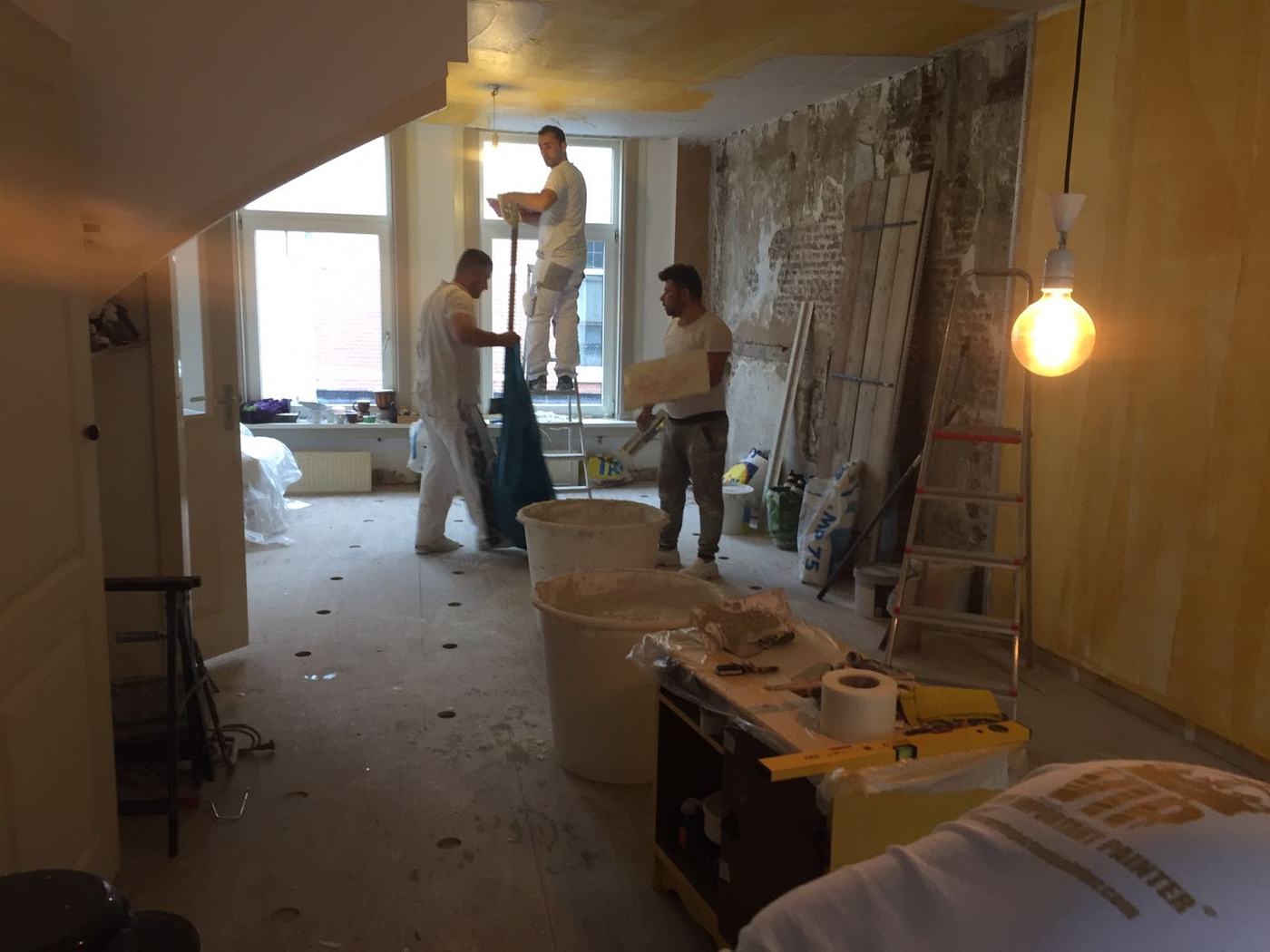
Nobody opens the door when the crew turns up earlier than agreed. Nobody notices that a different tile is being laid than the one chosen. Nobody asks when nothing happens for two weeks, and firms work where somebody asks. At the end there is an invoice for items that can no longer be checked, because everything is already closed up and tiled.
Which is why instructing work from abroad needs a person on the ground who gives access, documents progress and does the handover before anything is paid.
In short
- Obtain quotes in August/September, have the work done between October and April
- Put weather-dependent trades at the beginning or the end of the winter season
- Written quotes with quantities, materials and PDV, identical scope for every firm
- Deposit yes, full payment before handover no
- Clarify permit questions before instructing, especially in a historic centre
- Plan for site supervision on the ground, otherwise you lose time, quality and control